Indian Air force is the among the top five largest air powers in the world based on it’s inventory, personnel and it’s training. With reference to it’s immediate environment it’s sandwiched between Pakistani air force and PLAAF, where it outnumbers PAF and in turn is outnumbered by the PLAAF. Traditionally IAF has relied on a healthy balance between low cost platforms like Mig 21’s to build numerical superiority and the more expensive platforms like Su30MKI, Mig 29 and Mirage 2000 to cover the higher end spectrum of quality fighters, and everything in the middle is covered by medium cost/ medium technology platforms like the Jaguar and Mig 27’s.
With India’s economic fortunes taking an upward swing in the mid 90’s, IAF has added some serious muscle with upgrades to Mirage 2000 and Mig 29’s, drastically increasing the numbers of it’s premier heavy combat aircraft Su 30MKI and adding some serious teeth by choosing Dassualt Rafale recently for its multi role medium combat role aircraft.
Su 30MKI Flanker:

Indian air force classifies Su 30 MKI as its premier Air Dominance fighter, which can be used in strike, air superiority, maritime strike as well as mini awacs platform. Su30’s slow speed sorcery can sometimes make us forget that it is also an excellent supersonic platform with one of the best BVR systems in world. With the Super Sukhoi upgrade program, additional features like RCS reduction, better engine performance, longer range R77 RVV SD and MD missiles, and integration of Brahmos supersonic cruise missile will increase the capability of the MKI to a level which would be difficult for other platforms to match.
Mig 29 SMT - BAAZ:
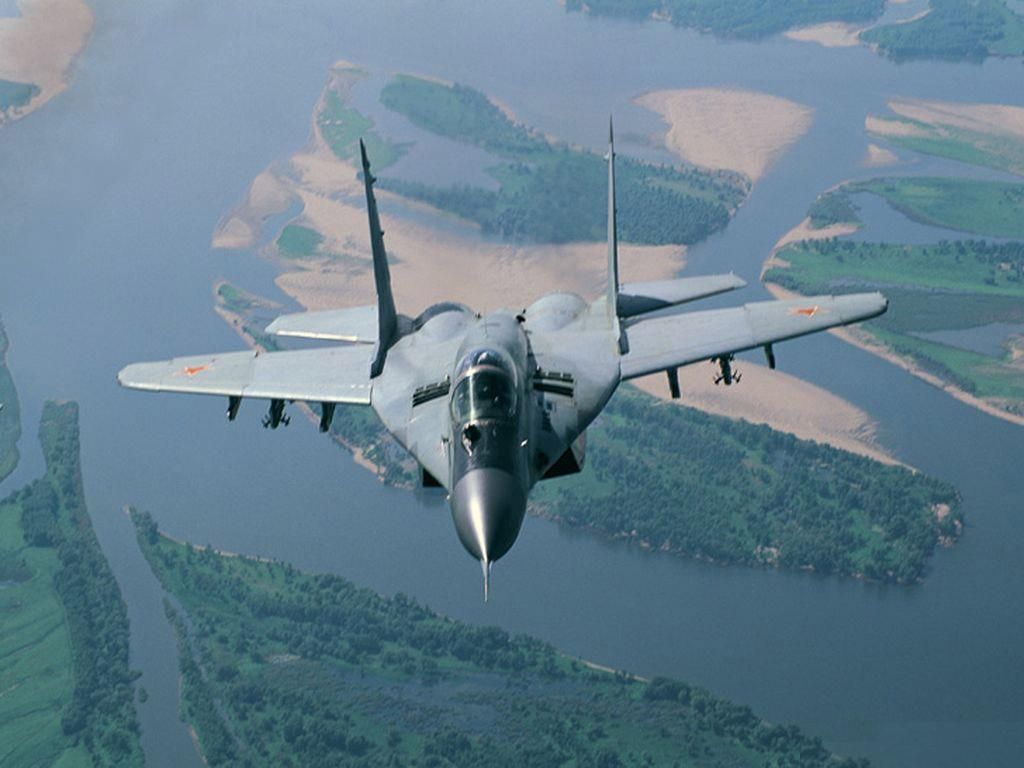
Mig 29 remains the go to air superiority fighter for IAF. The most capable fighter pilots of IAF are handpicked for this fighter program, and it’s primary role is to shoot down enemy aircrafts period. India was the first foreign customer for the Mig 29M’s outside USSR , and hence is closest to the most original specification. With the upgrade program, Mig 29M will get all the SMT upgrade features with a few additional features borrowed from the Mig 29K program of the Indian Navy and the Mig 35 pitch for the MMRCA, one of the visible difference is the enlarged spine for additional avionics and additional fuel, from the mig 35 proposal, better radar package with the Phazatron Zhuk ME providing substantial capability of delivering ground ordinance like A2G missiles and PGM capabilities evident from the push to integrate the Israeli Litenning pod. Mig 29 although with added dimension of multi role will continue to serve as the primary air superiority fighter with the option of strike features if the need arises.
Mirage 2000I - 2005 Mk2:

Mirage 2000 was the first true multi-role aircraft for IAF with equal prowess in strike, air superiority and reconnaissance roles. It’s user friendly and low maintenance features have been highly prized by the IAF. The ease with which it was mated to paveway LGB’s during kargil operations proved it’s potential as an exceptionally potent platform with room for upgrades. IAF has decided to uprate it mirages with the 2005 mk2 upgrades from dassualt at an astounding price which is almost equal to price of the original aircraft. The unmatched performance of mirage initially led to feasibility analysis to procure additional multirole aircrafts to replace the aging mig 21’s, which eventually transformed into the MMRCA contract. Mirage 2000 with its 2005 mk2 upgrade will get better avionics, radar and the possibility to integrate the meteor bvr and the storm shadow alcm making this one of the most potent platforms for the IAF.
LCA Tejas Mk1/ Mk2:

LCA has almost been the problem child of the IAF with it’s lengthy developmental process. Although the aircraft has drawn flak due to it’s timeline for development and induction, the design philosophy of the aircraft has great potential. Envisaged as a pilot friendly, low maintenance, agile dogfighter, it’s role was broadened to a multi role light fighter. With the problems with kaveri gtrx engine, an uprated FG404 and later FG414-IN was selected to provide the aircraft with almost 100KN of thrust, which would put it’s twr among the best aircrafts in the world. It’s avionics architecture lets it employ the range of Russian, Indian and Israeli missiles and pgm’s. Along with that it shares wide commonality with the naval version. The ultimate aim of IAF is to induct the home grown fighter in large numbers to replace the mig 21 and the mig 27’s and eventually take over all of the close air patrol, area defence and close air support roles essentially freeing up the Su30MKI’s Rafales, Mig 29’s and Mirages for their actual intended strike and air superiority roles. Success of LCA mk2 will essentially define the IAF’sfuture doctrine along with the constituents of its strike packages for various objectives. Another spinoff intended from the LCA Mk1 might be a lead in fighter trainer for the IAF augmenting the advanced jet trainers of the IAF.
SEPECAT Jaguar Shamsher:

Jaguar in the IAF takes up the role of deep penetration and maritime strike aircraft. IAF has decide to upgrade the adour engines with up- Honeywell F-125IN turbofan engine to provide additional payload capacity to this aircraft. With impressive payload capacity and armed with matra magic II, sea eagle and As 37 Martel missiles, jaguar is the dark horse in the IAF arsenal. The DARIN II upgrade from DRDO provides the aircraft with better defensive capabilities, and net centric capabilities.
Mig 27M - Bahadur

Although this aircraft is due for replacement, due to shortage of newer aircrafts and to maintain the squadron strength IAF decided to upgrade the Mig27M to DARE III standards. Mig 27 with its impressive payload capacity was primarily tasked with low level ground attack to provide CAS support to troops. With the experience of kargil war, it was evident that such missions posed higher risk and the susceptibility to ground fire. DARE III upgrades have provided the ability to loiter at high altitude and hit it’s targets from high altitudes using Precision guided munitions and stand off missiles utilizing the litening III targeting pod. Apart from that the pilot work load has been significantly reduced by the avionics upgrade package and also provides better situational awareness to the pilots.
Future platforms of IAF:
Sukhoi PakFA/HAL PMF FGFA:

Hindustan Aeronautics Ltd and RAC Russia have partnered together to build the Prospective Multirole Fighter (PMF) fifth generation fighter aircraft (FGFFA) to lead both RuAF and IAF in the next generation. PAKFA is the broadly the single seat fighter variant and the FGFA would be the dual seat version, RuAF will heavily bank on the single seat variant with the exact opposite with the IAF. PAKFA T50 boasts of hyper maneuverability, thrust vectoring, stealth, AESA radar systems, internal weapons bay, RVV SD
AMCA: Advanced medium combat
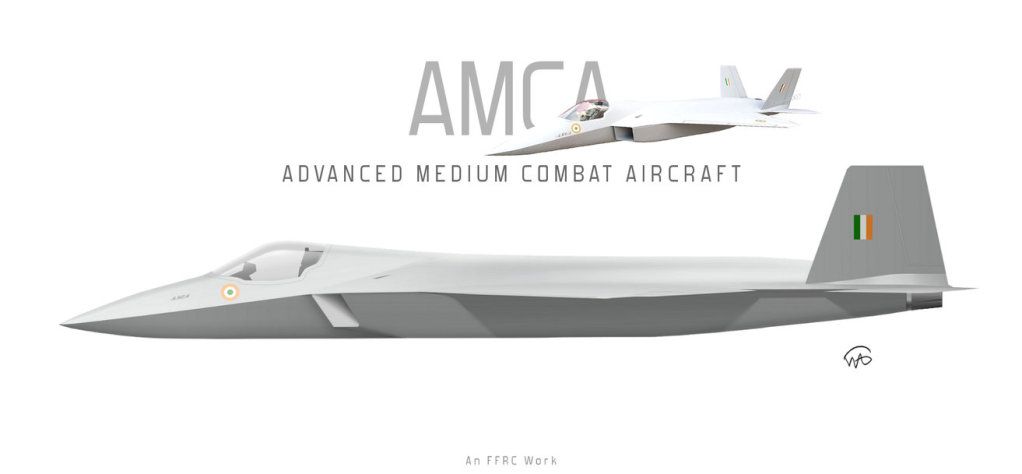
Advanced medium combat aircraft is the indigenous fifth generation stealth aircraft under development by the DRDO/ADA of India . AMCA will replace the mirage 2000 and jaguar platforms in the future. AMCA will boast hyper maneuverability, low RCS observable stealth features, internal weapons bay, Long range BVR and AESA radar and 5th gen sensor fusion. Most likely the system will be developed as a carrier based aircraft and and adapted to a land based system.
Rafale:

The dassault rafale will form the main omni role strike force along with the Su30 MKI platforms to provide significant offensive capabilities for the IAF. Almost 2 squadrons will be procured from Dassault, France with further options to produce the more units in India. It remains to be seen if the navy opts for the naval rafale for its IAC 2 and IAC 3 platforms. As learnt from the MKI program, if Rafale does delivers what it is expected from it, it might well see a significant increase in production orders from the IAF well beyond 200 units.


